Tongue-Ties
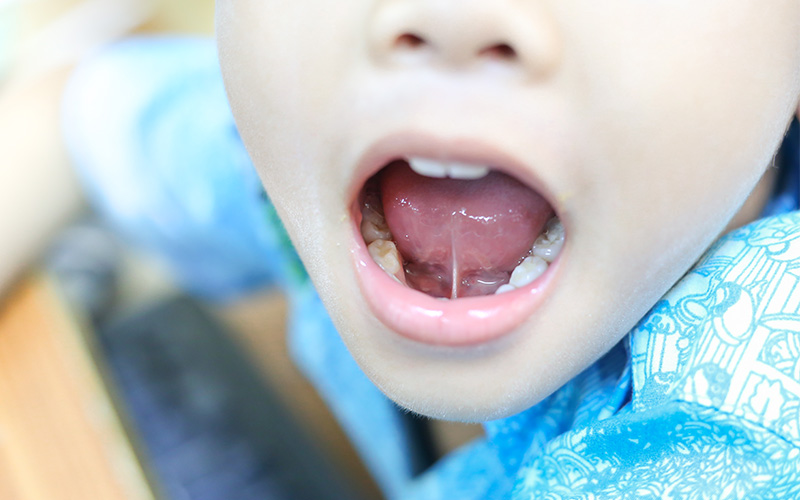
If your child cannot feed properly, they may have ankyloglossia, also known as a tongue-tie. This is a physical condition that is present at birth and limits the movement of the tongue when tissue that attaches the tongue to the lingual frenulum (bottom of the mouth) is too short. An infant that has a tongue-tie cannot move their tongue properly to drink a sufficient amount of milk during feeding. As a result, the infant may remain hungry and weight loss can occur if the condition is not treated early on. For parents that are less familiar with this condition, they may begin to notice speaking, feeding, and oral hygiene issues have become more apparent as their child grows older.

Lip-Ties
When the soft membrane of the tissue behind the lip tightly attaches to the upper jaw, it restricts the movement of the lip. This condition is called a lip-tie. Having a lip-tie can cause feeding issues early on and other problems in the long run, when it is left untreated. Most lip-ties are easily identified and can be treated quickly, if necessary, depending on age.
Symptoms of Tongue-Ties and/or Lip-Ties
Dr. Lynn will diagnose a tongue-tie or lip-tie during a physical exam that will include a functional assessment of the patient. Some of the symptoms of a tongue-tie and/or lip-tie include:
- Weak latch
- Falling asleep during nursing
- Colic symptoms
- Reflux symptoms
- Inadequate weight gain
- Continuous feedings
Frenectomy
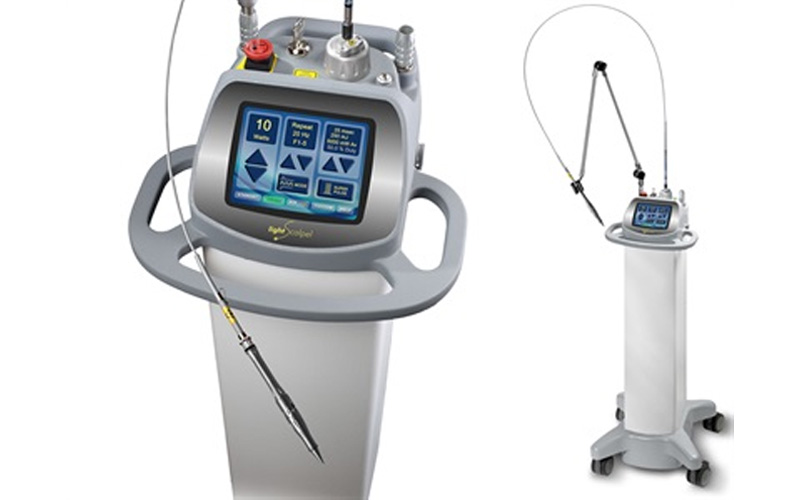
A frenectomy is a procedure that repairs the frenum through the elimination of restriction. The aim of this procedure is to remove excess tissue from the frenum which enables a greater range of motion in the tongue or lip.
To avoid these issues caused by a tongue-tie or lip-tie, parents can consider CO2 laser release treatment. CO2 laser release is a procedure performed on infants adolescents or adults. It entails the use of a soft tissue laser that gently frees the tongue from the excess frenulum. Additionally, the CO2 laser sterilizes the area to reduce the risk of infection and expedite recovery for infants near you. These conditions can sometimes be difficult to spot, but simple to treat with the help of Dr. Lynn. Infants will always be able to nurse immediately after the procedure is completed. He will also demonstrate and discuss recovery protocols with parents, to maximize outcomes.
Benefits of Using a CO2 Laser
Tongue-tie and lip-tie revision with CO2 laser can be life-changing. The following are benefits of using CO2 laser:
- Greater surgical precision
- Less postoperative pain
- Reduced swelling
- Reduced risk of infection
- Decreased risk of metastasis and edema
- Reduced bleeding
- Minimal wound contraction and scarring
- Elimination of suture
- Timesaving
Remember, breastfeeding is not intended to be a painful and uncomfortable experience. Schedule a consultation to discuss any concerns you have about nursing or your child’s weight gain.
FAQs
CO2 laser release is different from traditional tongue-tie treatments in that it does not use scissors or a scalpel to release tension in the tongue-tie and/or lip-tie. This method allows precise removal of restricted tissue, reduces bleeding, minimizes swelling, and lowers the risk of infection. Recovery is usually faster, and sutures are often not needed, making it safer and more comfortable for infants and children as well.
Indeed, CO2 laser release is a very safe and effective method for infants and children. This is very minimally invasive, effectively sterilizes tissues, and reduces bleeding. Specialists in tongue-ties with experience, like Dr. Lynn in Tampa, understand the procedure and will take extreme care to ensure the safety and efficacy for the young patients.
The CO2 laser operation takes is fast and may take only a very few minutes, depending on the severity of the patient’s condition of tongue-tie or lip-tie. Local anesthesia or topical numbing is preferred for infants, while mild sedation is used for older children. Most patients feel some discomfort at the time of the procedure, although with local anesthesia and mild sedation, this is often very limited or no pain.
The CO2 laser possesses numerous advantages for tongue-tie or lip-tie release, including tissue-precise removal, decreased pain, minimal swelling, decreased risk of infection, reduced scarring, less chance of stitches and more. The procedure is so quick that these babies are allowed to feed immediately after the procedure, helping with feeding, weight gain, and oral functionality.
When a tongue-tie or lip-tie is released using CO2 laser, healing is generally very quick. Infants can usually start nursing immediately, while the older child may have little discomfort following the procedure. The laser reduces inflammation and potential for infection, which allows the tissue to heal quickly. Full mobility will usually return or come back in just a few days to a week.
A trusted provider for CO2 laser tongue-tie release in Tampa is Dr. Lynn at the Tampa Tongue Tie Center. As a specialized tongue-tie and lip-tie expert, Dr. Lynn performs thorough exams, functional assessments and safe laser procedures to ensure effective treatment and proper recovery for infants and children as well.